
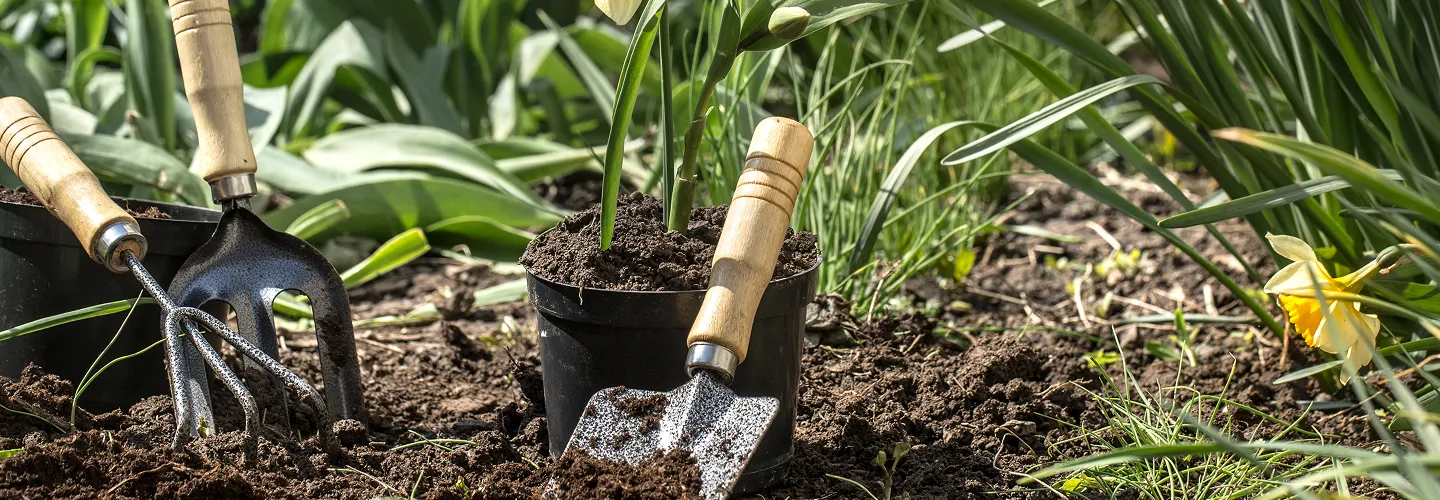
Pawtucket Green Waste Disposal Services
Choose our Green Waste Disposal service for reliable, environmentally responsible removal that keeps your property beautiful and helps protect the planet—experience hassle-free pickups, expert handling, and a commitment to sustainability.
Get a Free QuoteOur Pawtucket Landscaping & Yard Care Services
When to Schedule Green Waste Disposal in Pawtucket, Rhode Island – Seasonal Guide
In Pawtucket, Rhode Island, the best times to schedule green waste disposal are closely tied to our region’s unique climate and landscape. Spring and late fall are typically optimal, as these periods align with the city’s major yard cleanups—after the last frost in neighborhoods like Oak Hill and before winter sets in around Slater Park. The timing ensures that leaves, branches, and other organic debris are removed efficiently, reducing the risk of mold and pest buildup during Pawtucket’s humid summers.
Local environmental factors play a significant role in determining the right disposal schedule. For example, the city’s clay-heavy soils retain moisture, which can slow decomposition if green waste is left too long. Areas with dense shade, such as those near the Blackstone River, may experience slower drying times, increasing the importance of timely removal. Additionally, municipal guidelines and seasonal restrictions—often updated on official resources like the Sudbury municipal site—should always be checked before planning your service.
Local Factors to Consider for Green Waste Disposal in Pawtucket
- Tree density and types (e.g., maple and oak prevalence in Darlington)
- Terrain and yard slope, especially in hilly areas
- Average precipitation and humidity levels
- Frost dates and risk of late spring or early fall freezes
- Municipal collection schedules and restrictions
- Proximity to shaded areas or water sources
- Soil type and drainage characteristics
Benefits of Green Waste Disposal in Pawtucket
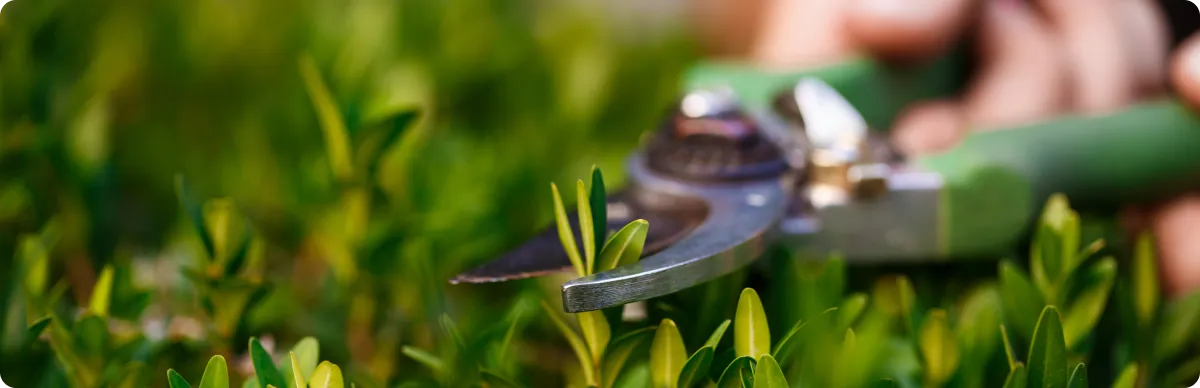
Eco-Friendly Landscaping Solutions
Efficient Green Waste Removal
Cost-Effective Disposal Services
Improved Curb Appeal
Compliance With Local Regulations
Convenient Scheduling Options
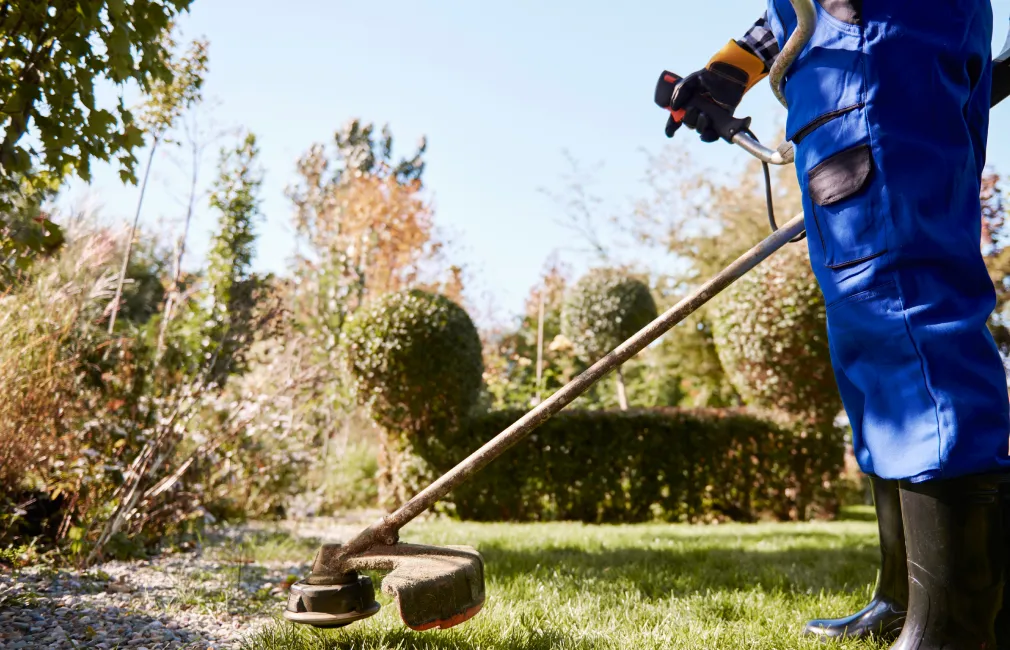
Pawtucket Green Waste Disposal Types

Grass Clippings
-
Tree Branches
-
Leaves Collection
-
Shrub Trimmings
-
Garden Debris
-
Mulch Disposal
-
Yard Waste Bags
Our Green Waste Disposal Process
Collection of Green Waste
Sorting and Separation
Transport to Disposal Facility
Eco-Friendly Processing
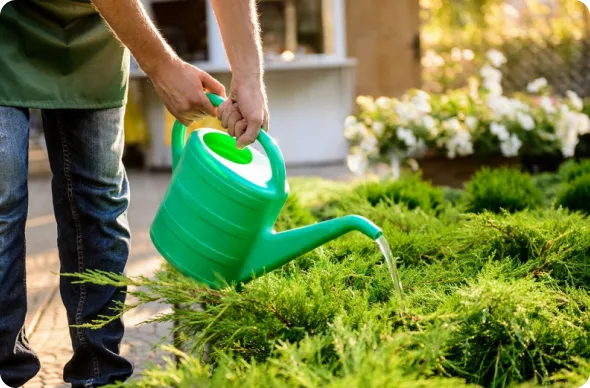
Why Choose Pawtucket Landscape Services
-
Pawtucket Homeowners Trust Us
-
Expert Lawn Maintenance
-
Reliable Seasonal Cleanup
-
Competitive Pricing
-
Professional Team
-
Satisfaction Guarantee
-
Personalized Service
Pawtucket’s Green Waste Collection Schedule, Accepted Materials, and City Ordinances
Green waste disposal in Pawtucket is governed by specific municipal ordinances and collection schedules to ensure compliance and environmental protection. Weekly curbside collection occurs every Thursday from April through November. Residents must use biodegradable paper bags or reusable bins (32-gallon maximum) for leaves, grass clippings, and brush under 4 feet in length. Plastic bags and branches over 4 inches in diameter are strictly prohibited. Collection is not provided on city holidays, and materials must be placed curbside by 7:00 AM on collection day. Equipment operation for green waste processing is permitted:
- Monday-Friday: 7:00 AM - 7:00 PM
- Saturday: 8:00 AM - 6:00 PM
- Sunday and holidays: Prohibited
For ordinance details and collection updates:
Pawtucket RI Department of Public Works
137 Roosevelt Avenue, Pawtucket, RI 02860
Phone: (401) 728-0500
Official Website: Pawtucket RI Department of Public Works
Soil Series, Drainage, and Site Considerations for Green Waste in Pawtucket
Pawtucket’s soils are predominantly Inceptisols and Udults, with glacial till and coastal sandy soils that are moderately acidic (pH 5.5-6.5) and often poorly drained. The USDA Web Soil Survey identifies common series such as Newport and Ridgebury, which exhibit seasonal water tables at 12-18 inches. These conditions require careful management of green waste to prevent nutrient runoff and soil compaction. Compost incorporation is recommended at 2-3 inches tilled to a 6-inch depth to improve organic matter and drainage. Soil testing is available through the University of Rhode Island Cooperative Extension for $15-25 per sample. Avoid placing green waste in low-lying or saturated areas to reduce leachate risk. For site-specific soil data, consult the USDA Web Soil Survey.
Environmental Compliance: Stormwater, Wetland Buffers, and State Regulations in Pawtucket
Proper green waste disposal in Pawtucket is essential for compliance with the city’s MS4 stormwater permit and the Clean Water Act. The city enforces a 25-foot no-disturbance buffer from wetlands and prohibits any green waste or clippings from entering storm drains. Application of compost or mulch is not allowed within 50 feet of water bodies. The Rhode Island Environmental Rights Act and Rhode Island Department of Environmental Management regulate statewide environmental protection, including green waste management. For questions on buffer zones and compliance:
Pawtucket RI Conservation & Environmental Boards
137 Roosevelt Avenue, Pawtucket, RI 02860
Phone: (401) 728-0500
Official Website: Pawtucket RI Conservation & Environmental Boards
Seasonal Timing and Weather Considerations for Green Waste Disposal in Pawtucket
Pawtucket is located in USDA Hardiness Zone 6b-7a, with average last frost in late April and first frost in late October. Optimal green waste disposal windows are:
- Spring: April 15 - May 30 (soil temp 50-65°F)
- Fall: September 15 - November 15 (before first frost)
Avoid disposal during heavy rainfall or when soils are saturated to prevent compaction and runoff. The National Weather Service Boston/Norton Office provides local weather alerts and rainfall forecasts. For up-to-date weather and timing guidance, consult the National Weather Service.
Safety Protocols and Equipment Standards for Green Waste Handling in Pawtucket
All green waste operations in Pawtucket must adhere to municipal safety and equipment standards. Operators are required to use commercial-grade chippers and mowers with functioning mufflers, and noise levels must not exceed 85 decibels at property lines. Personal protective equipment (PPE) is mandatory:
- Eye protection: ANSI Z87.1 safety glasses
- Hearing protection: Earmuffs or plugs for 85+ dB
- Footwear: Steel-toed, non-slip boots
- Gloves: Cut-resistant for pruning, chemical-resistant for applications
Maintain a 15-foot clearance from overhead utilities and follow all city traffic control requirements when working near public roads. For safety regulations and equipment standards:
Pawtucket RI Code Enforcement
137 Roosevelt Avenue, Pawtucket, RI 02860
Phone: (401) 728-0500
Official Website: Pawtucket RI Code Enforcement
What Neighborhoods Do We Serve Throughout Pawtucket, RI?
- Oak Hill: Characterized by mature tree canopies and older homes, Oak Hill often requires frequent leaf and brush collection, with narrow streets affecting equipment access.
- Darlington: This area features larger lots and moderate tree density, with soils prone to compaction and drainage issues, making proper green waste management essential.
- Fairlawn: Known for its mix of residential and commercial properties, Fairlawn presents challenges with traffic patterns and curbside collection logistics.
- Woodlawn: High-density housing and limited green space in Woodlawn necessitate careful scheduling and container use for efficient green waste removal.
- Quality Hill: As a historic district, Quality Hill has unique regulatory considerations, including restrictions on equipment noise and operation hours.
- Pine Crest: Proximity to the Blackstone River and local wetlands in Pine Crest requires strict adherence to buffer zones and environmental compliance.
- Pleasant View: This neighborhood’s newer developments have improved drainage but require ongoing education on city collection schedules and accepted materials.