
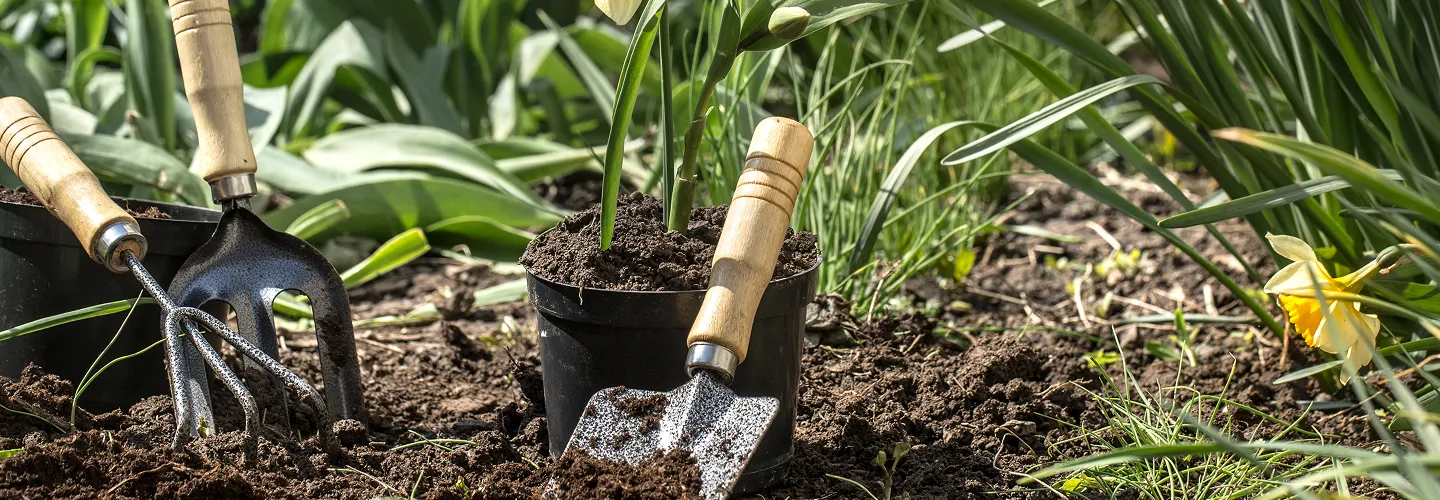
Pawtucket Brush Removal Services
Choose our expert brush removal services for fast, thorough, and eco-friendly clearing that transforms overgrown areas into safe, usable land—making your property more beautiful and functional.
Get a Free QuoteOur Pawtucket Landscaping & Yard Care Services
When to Schedule Brush Removal in Pawtucket, Rhode Island – Seasonal Guide
In Pawtucket, Rhode Island, the best times for brush removal are typically late spring and early fall. These periods align with the region’s climate patterns—after the last frost in neighborhoods like Oak Hill and before the first hard freeze in areas near Slater Park. Scheduling brush removal during these windows helps prevent regrowth and minimizes disruption to your landscape, as the soil is workable and humidity levels are moderate. Local factors such as Pawtucket’s clay-heavy soils and shaded lots in Darlington can affect how quickly brush accumulates and decomposes. Additionally, the city’s proximity to the Blackstone River means that certain areas may experience higher moisture levels, influencing the timing and frequency of maintenance. For more information on local environmental guidelines, visit the Sudbury municipal resource.
Local Factors to Consider for Brush Removal in Pawtucket
- Tree density and type (e.g., mature maples in Fairlawn)
- Terrain and slope, especially in hilly neighborhoods
- Annual precipitation and risk of summer drought
- Municipal restrictions on brush disposal and burning
- Soil composition and drainage characteristics
- Shade coverage from established tree canopies
Benefits of Brush Removal in Pawtucket

Enhanced Curb Appeal
Improved Lawn Health
Reduced Pest Infestations
Increased Usable Space
Fire Hazard Reduction
Professional and Timely Service
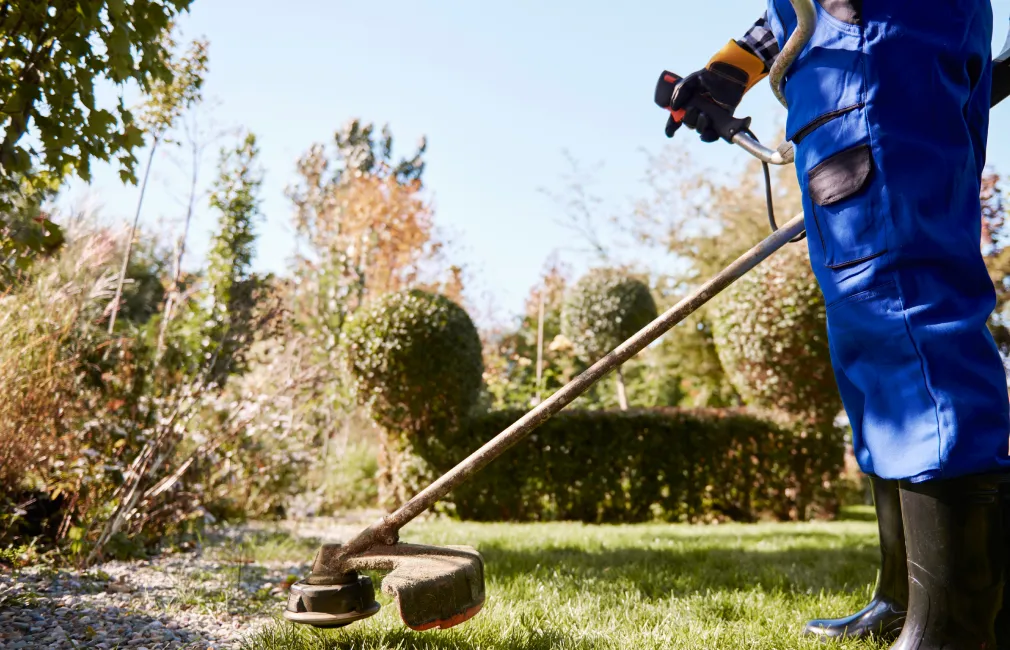
Pawtucket Brush Removal Types

Tree Limb Removal
-
Shrub and Hedge Clearing
-
Overgrown Vegetation Removal
-
Yard Waste Hauling
-
Stump and Root Extraction
-
Storm Debris Cleanup
-
Lot and Land Clearing
Our Brush Removal Process
Site Evaluation
Safety Preparation
Brush Clearing
Debris Removal
Final Inspection
Why Choose Pawtucket Landscape Services
-
Pawtucket Homeowners Trust Us
-
Expert Lawn Maintenance
-
Reliable Seasonal Cleanup
-
Competitive Pricing
-
Professional Team
-
Satisfaction Guarantee
-
Personalized Service
Brush Removal Coordination with Pawtucket’s Department of Public Works and Collection Schedules
Effective brush removal in Pawtucket requires strict adherence to municipal collection protocols and coordination with city departments. The Department of Public Works oversees curbside brush collection, which typically occurs every Thursday from April through November. Residents must prepare brush in bundles no longer than 4 feet and use biodegradable bags or 32-gallon reusable containers; plastic bags and branches over 4 inches in diameter are prohibited. Failure to comply may result in non-collection or code enforcement action. For large-scale brush removal or projects near public rights-of-way, a permit may be required, with a standard review period of 5-10 business days and a typical application fee of $25-$75. For up-to-date schedules and requirements, consult the city’s official resources.
Pawtucket RI Department of Public Works
137 Roosevelt Avenue, Pawtucket, RI 02860
Phone: (401) 728-0500
Official Website: Pawtucket RI Department of Public Works
Soil and Site Considerations for Brush Removal in Pawtucket’s Urban Landscape
Pawtucket’s predominant soils, as identified by the USDA Web Soil Survey, are Inceptisols and Udults, characterized by glacial till, moderate acidity (pH 5.5-6.5), and poor drainage in many areas. These conditions can complicate brush removal, especially after heavy rainfall or in low-lying neighborhoods. When removing brush, it is essential to avoid soil compaction by using lightweight equipment and to limit disturbance to a depth of no more than 6 inches to protect underlying root systems. For sites with standing water or seasonal high water tables (12-18 inches), schedule removal during drier periods to minimize rutting and erosion. Soil testing is recommended before any major site work; the University of Rhode Island Cooperative Extension offers soil analysis services for $15-25 per sample.
Environmental Compliance: Wetland Buffers and Stormwater Protections in Pawtucket
Brush removal activities in Pawtucket must comply with local, state, and federal environmental regulations, particularly regarding wetland and waterway protection. Properties adjacent to the Blackstone River, Ten Mile River, or designated wetlands must maintain a 25-foot no-disturbance buffer, as required by city ordinance and the Rhode Island Environmental Rights Act. The city’s MS4 permit, administered under the Clean Water Act, prohibits the disposal of brush or yard waste in storm drains or water bodies. Key compliance steps include:
- Maintain 25-foot buffer from wetlands and streams
- Prohibit brush disposal in storm drains or waterways
- Use erosion control measures (e.g., silt fences) on slopes >5%
- Schedule removal outside of heavy rain events
For guidance on sensitive area regulations, contact:
Pawtucket RI Conservation & Environmental Boards
137 Roosevelt Avenue, Pawtucket, RI 02860
Phone: (401) 728-0500
Official Website: Pawtucket RI Conservation & Environmental Boards
Equipment Operation Hours, Safety Protocols, and Noise Ordinances for Brush Removal in Pawtucket
Pawtucket enforces strict noise and safety standards for brush removal operations. Equipment may be operated only during the following hours:
- Monday-Friday: 7:00 AM - 7:00 PM
- Saturday: 8:00 AM - 6:00 PM
- Sunday and holidays: Prohibited
All operators must use commercial-grade equipment with functioning mufflers, and noise levels must not exceed 85 decibels at property lines. Personal protective equipment (PPE) is mandatory, including:
- ANSI Z87.1 safety glasses
- Hearing protection for noise above 85 dB
- Steel-toed boots and cut-resistant gloves
- High-visibility vests when working near roadways
Maintain a 15-foot clearance from overhead utilities and contact Dig Safe (811) at least 72 hours before ground disturbance. For additional safety and code requirements, refer to:
Pawtucket RI Code Enforcement
137 Roosevelt Avenue, Pawtucket, RI 02860
Phone: (401) 728-0500
Official Website: Pawtucket RI Code Enforcement
What Neighborhoods Do We Serve Throughout Pawtucket, RI?
- Oak Hill: Features mature tree canopies and older homes with compacted glacial till soils, requiring careful equipment selection and attention to drainage during brush removal.
- Darlington: Characterized by moderate lot sizes and proximity to the Ten Mile River, necessitating strict adherence to wetland buffer regulations and seasonal scheduling to avoid flooding impacts.
- Fairlawn: Densely developed with narrow streets and overhead utilities, presenting access challenges and increased need for traffic and pedestrian safety measures during debris removal.
- Woodlawn: Contains a mix of residential and commercial properties, with variable soil compaction and frequent utility easements that require coordination with city departments for safe operations.
- Quality Hill: Historic district with large, established landscapes and protected trees, where brush removal must comply with additional preservation and permit requirements.
- Pinecrest: Located near conservation areas and parks, this neighborhood demands heightened environmental compliance and careful debris management to protect sensitive habitats.
State and Federal Oversight: Rhode Island DEM, EPA Region 1, and University Extension Resources
Brush removal in Pawtucket is subject to oversight by the Rhode Island Department of Environmental Management (RIDEM), which enforces the Rhode Island Environmental Rights Act and MS4 stormwater regulations. Federal oversight is provided by EPA Region 1, which ensures compliance with the Clean Water Act. For technical guidance on soil management, invasive species, and best practices, consult the University of Rhode Island Cooperative Extension. Pawtucket is located in USDA Hardiness Zone 6b-7a, and local weather patterns can be monitored through the National Weather Service Boston/Norton Office. These resources provide essential information for maintaining environmental compliance and professional standards in all brush removal activities.