
Pawtucket Weeding Services
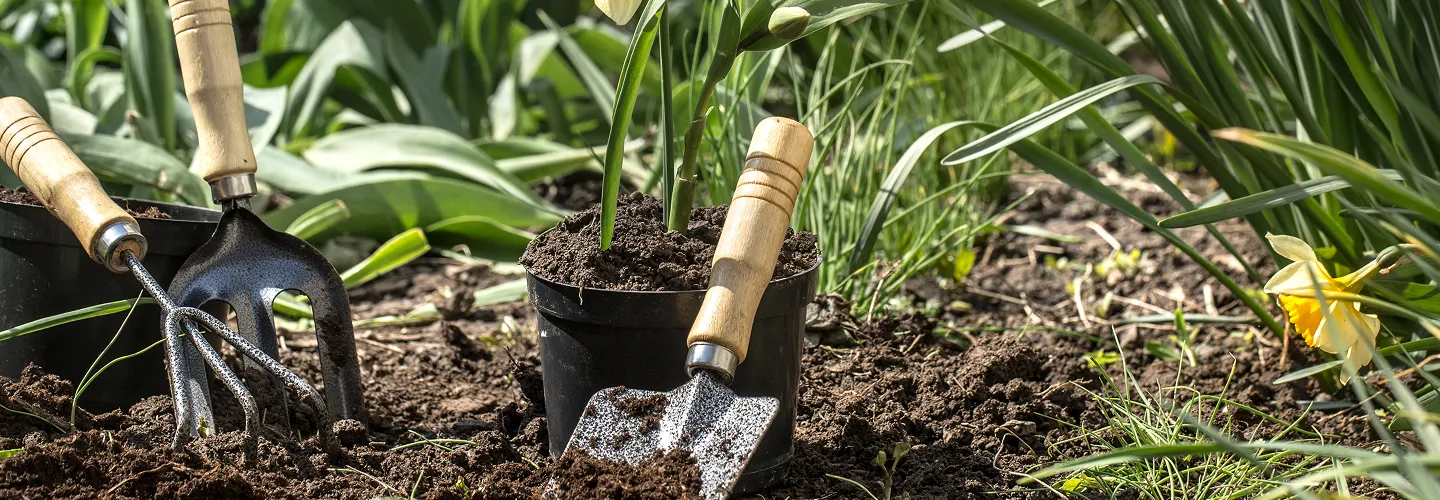
Choose our expert weeding services in Pawtucket for a healthier, more beautiful landscape—our skilled team removes unwanted growth quickly and thoroughly, so your plants can thrive and your yard always looks its best.
Get a Free QuoteOur Pawtucket Landscaping & Yard Care Services
When to Schedule Weeding in Pawtucket, Rhode Island – Seasonal Guide
In Pawtucket, Rhode Island, the best times to schedule weeding are typically in early spring and late summer, when local weather conditions are most favorable for effective weed control. The city’s climate, characterized by cold winters and humid summers, means that weeds often emerge vigorously after the last frost—usually in late April—making neighborhoods like Oak Hill and Darlington especially prone to early growth. Scheduling weeding just after the ground thaws helps prevent weeds from taking root, while a follow-up session in late August addresses late-season growth before autumn leaf fall.
Local environmental factors play a significant role in determining the optimal weeding schedule. For example, areas near Slater Park or along the Blackstone River may experience higher humidity and denser shade, which can encourage persistent weed growth. Soil types in Pawtucket range from sandy loam to clay, affecting both weed species and removal techniques. Homeowners should also consider municipal guidelines and seasonal drought risks, which can impact the timing and methods of weeding. For more information on local environmental resources, visit the Sudbury Conservation Commission.
Local Factors to Consider for Weeding in Pawtucket
- Tree density and shade coverage, especially in neighborhoods like Woodlawn
- Soil type variations (sandy, loamy, or clay soils)
- Average precipitation and risk of summer drought
- Proximity to water features such as the Blackstone River
- Municipal restrictions on herbicide use and yard waste disposal
- Terrain and slope, which can affect weed spread and accessibility
Benefits of Weeding in Pawtucket
Enhanced Curb Appeal
Healthier Plant Growth
Reduced Pest Infestation
Improved Soil Quality
Professional and Reliable Service
Time and Effort Savings
Pawtucket Weeding Types

Hand Weeding
-
Mechanical Weeding
-
Mulching for Weed Control
-
Pre-Emergent Herbicide Application
-
Post-Emergent Herbicide Application
-
Flame Weeding
-
Organic Weed Removal
Our Weeding Process
Site Evaluation
Weed Identification
Targeted Removal
Soil Treatment
Final Inspection
Why Choose Pawtucket Landscape Services
-
Pawtucket Homeowners Trust Us
-
Expert Lawn Maintenance
-
Reliable Seasonal Cleanup
-
Competitive Pricing
-
Professional Team
-
Satisfaction Guarantee
-
Personalized Service
Managing Weeding in Pawtucket’s Urban Soil Conditions
Weeding in Pawtucket requires careful consideration of the city’s predominant soil types, which include Windsor loamy sand and Urban land complex, as identified by the USDA Web Soil Survey. These soils are often moderately acidic (pH 5.5-6.5) and can be compacted due to urban development, leading to poor drainage and increased weed pressure. Effective weed removal should include soil testing (available through the University of Rhode Island Cooperative Extension, typically $15-25 per test), followed by targeted amendments such as lime for pH below 6.0 or compost incorporation (2-3 inches tilled to 6-inch depth). Mulching is recommended to suppress regrowth, especially in areas with exposed soil. For properties near wetlands or the Blackstone River, maintain a 25-foot no-disturbance buffer to comply with local and state environmental regulations.
Pawtucket RI Department of Public Works
137 Roosevelt Avenue, Pawtucket, RI 02860
Phone: (401) 728-0500
Official Website: Pawtucket RI Department of Public Works
Pawtucket’s Yard Waste Collection and Weeding Debris Disposal Protocols
Proper disposal of weeding debris in Pawtucket is governed by municipal yard waste collection schedules. From April through November, curbside pickup occurs every Thursday. Residents must use biodegradable paper bags or reusable bins (32-gallon maximum); plastic bags and branches over 4 inches in diameter are prohibited. Accepted materials include weeds, leaves, and brush under 4 feet in length. Debris should be placed curbside by 7:00 AM on collection day. For large volumes or off-schedule disposal, the city transfer station is available during posted hours. These protocols help prevent stormwater contamination and support compliance with the city’s MS4 permit under the Clean Water Act.
Pawtucket RI Department of Public Works
137 Roosevelt Avenue, Pawtucket, RI 02860
Phone: (401) 728-0500
Official Website: Pawtucket RI Department of Public Works
Environmental Compliance for Weeding Near Pawtucket’s Wetlands and Waterways
Weeding activities adjacent to Pawtucket’s wetlands, the Blackstone River, and protected areas must adhere to both city and state environmental regulations. The Rhode Island Environmental Rights Act and the city’s conservation ordinances require a minimum 25-foot no-disturbance buffer from all wetlands and water bodies. Application of herbicides or fertilizers is prohibited within 50 feet of these sensitive zones. All debris must be contained to prevent runoff into storm drains, in accordance with the city’s MS4 stormwater permit. For properties within conservation districts, additional review by the city’s environmental boards may be required.
Pawtucket RI Conservation & Environmental Boards
137 Roosevelt Avenue, Pawtucket, RI 02860
Phone: (401) 728-0500
Official Website: Pawtucket RI Conservation & Environmental Boards
Rhode Island Department of Environmental Management
235 Promenade Street, Providence, RI 02908
Phone: (401) 222-4700
Official Website: Rhode Island Department of Environmental Management
Seasonal Timing and Weather Considerations for Weeding in Pawtucket
Pawtucket is located in USDA Hardiness Zone 6b, with optimal weeding windows in mid-April through early June and again from late August to mid-October. Soil temperatures between 50°F and 70°F are ideal for manual and mechanical weed removal, as root systems are most vulnerable. Avoid weeding during peak summer (July-August) to minimize soil disturbance and erosion risk. Monitor local weather forecasts through the National Weather Service Boston/Norton Office to plan around heavy rainfall, which can increase runoff and spread weed seeds. For persistent perennial weeds, schedule follow-up removal every 4-6 weeks during the growing season.
- Spring weeding: April 15 – June 10
- Fall weeding: August 25 – October 15
- Avoid: July-August (heat stress, rapid regrowth)
What Neighborhoods Do We Serve Throughout Pawtucket, RI?
- Oak Hill: Characterized by mature tree canopies and compacted urban soils, requiring frequent weeding and careful debris management to protect nearby wetlands.
- Darlington: Features larger residential lots with mixed soil drainage; weed pressure is high along property edges and near the Ten Mile River.
- Fairlawn: Dense development and limited green space lead to increased soil compaction and invasive weed species, especially in shared community areas.
- Woodlawn: Historic district with older landscaping and variable soil pH; properties often require soil amendments and buffer compliance near protected areas.
- Pine Crest: Proximity to Slater Park and conservation lands necessitates strict adherence to buffer zones and city disposal protocols for all weeding debris.
- Quality Hill: Elevated terrain and older infrastructure present unique challenges for erosion control and stormwater management during weeding operations.
- Pleasant View: Residential area with moderate slopes and mixed soil types, requiring tailored weeding schedules and attention to runoff prevention.