
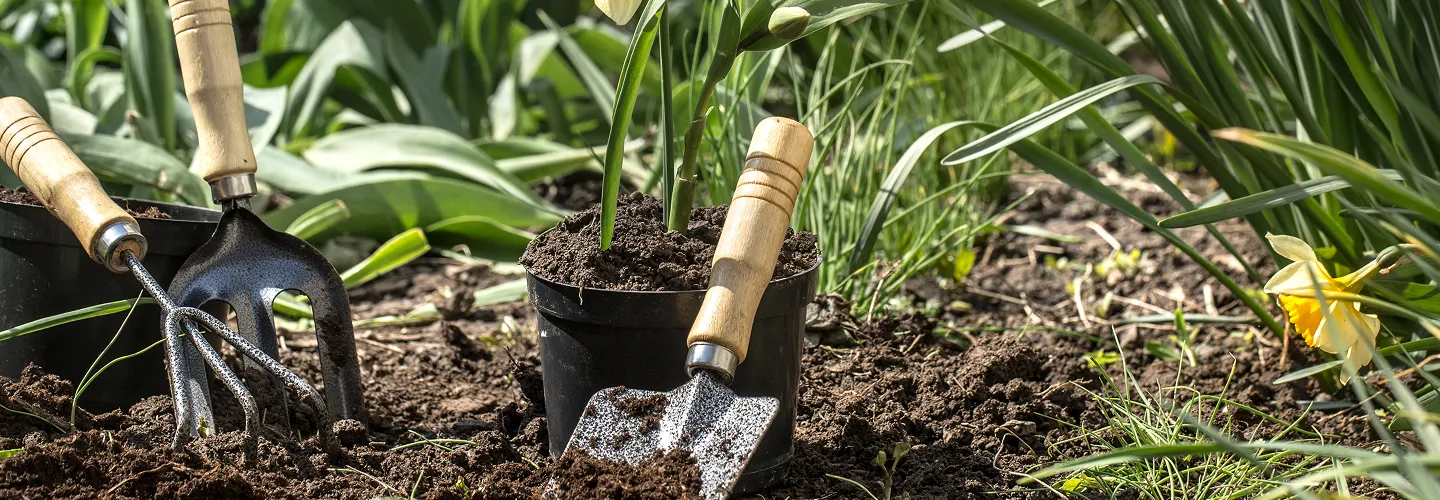
Pawtucket Flower Planting Services
Choose our expert flower planting services in Pawtucket for vibrant, long-lasting gardens designed to thrive in your unique landscape—bringing color, beauty, and curb appeal to your home all season long.
Get a Free QuoteOur Pawtucket Landscaping & Yard Care Services
When to Schedule Flower Planting in Pawtucket, Rhode Island – Seasonal Guide
In Pawtucket, Rhode Island, the best time to schedule flower planting is typically in late spring, after the last frost has passed, or in early fall when temperatures are mild and rainfall is more consistent. The city’s climate, influenced by its proximity to the Blackstone River and the Atlantic coast, means that frost dates can vary—usually the last frost occurs in late April, while the first frost arrives in late October. Neighborhoods like Oak Hill and Darlington, with their mature tree canopies, may experience slightly cooler microclimates and more shade, which can affect both planting schedules and flower selection.
Local environmental factors such as soil composition—often a mix of loam and clay in areas near Slater Park—humidity levels, and the risk of summer droughts should all be considered. It’s also important to be aware of municipal guidelines and any watering restrictions, which can be found on the city’s official website. By tailoring your planting schedule to Pawtucket’s unique landscape and weather patterns, you’ll ensure healthier, longer-lasting blooms for your property.
Local Factors to Consider for Flower Planting in Pawtucket
- Proximity to the Blackstone River and its impact on soil moisture
- Tree density and shade coverage in neighborhoods like Oak Hill and Fairlawn
- Typical frost dates (late April and late October)
- Risk of summer droughts and humidity fluctuations
- Soil type variations, especially near Slater Park
- Terrain and drainage, particularly in hilly or low-lying areas
- Municipal watering restrictions and local ordinances
Benefits of Flower Planting in Pawtucket
Enhanced Curb Appeal
Increased Property Value
Seasonal Color Variety
Expert Plant Selection
Low-Maintenance Solutions
Eco-Friendly Landscaping
Pawtucket Flower Planting Types

Annual Flower Beds
-
Perennial Gardens
-
Native Plant Installations
-
Pollinator-Friendly Plantings
-
Shade Garden Flowers
-
Container Flower Arrangements
-
Seasonal Bulb Planting
Our Flower Planting Process
Site Evaluation
Soil Preparation
Plant Selection
Careful Planting
Watering and Mulching
Why Choose Pawtucket Landscape Services
-
Pawtucket Homeowners Trust Us
-
Expert Lawn Maintenance
-
Reliable Seasonal Cleanup
-
Competitive Pricing
-
Professional Team
-
Satisfaction Guarantee
-
Personalized Service
Soil Series and Drainage Considerations for Flower Planting in Pawtucket
Pawtucket’s urban landscape is characterized by Inceptisols and Udults, with glacial till soils that are often rocky, moderately acidic (pH 5.5-6.5), and prone to poor drainage in low-lying areas. The USDA Web Soil Survey identifies series such as Newport and Ridgebury, which may exhibit seasonal water tables at 12-18 inches. For successful flower planting, it is recommended to conduct a soil test through the University of Rhode Island Cooperative Extension (typical cost: $15-25) to determine pH and nutrient needs. Amendments such as 2-3 inches of compost tilled to a 6-inch depth can improve structure and fertility. Lime application is advised if pH falls below 6.0. Avoid planting in areas with standing water or compacted fill soils without remediation.
Pawtucket RI Department of Public Works
137 Roosevelt Avenue, Pawtucket, RI 02860
Phone: (401) 728-0500
Official Website: Pawtucket RI Department of Public Works
Optimal Planting Windows and Climate Zone Guidance for Pawtucket
Pawtucket is located in USDA Hardiness Zone 6b, with average annual minimum temperatures of -5°F to 0°F. The National Weather Service Boston/Norton Office provides local frost dates, with last spring frost typically between April 20 and May 10, and first fall frost between October 10 and 20. For perennial flower planting, the optimal window is April 15 to May 30, when soil temperatures reach 50-65°F. Fall planting of bulbs and hardy perennials is best from September 1 to October 15. Avoid planting during summer heat (June-August) to reduce transplant shock. Monitor soil moisture closely during dry spells, as Pawtucket’s urban soils can dry rapidly.
- Spring planting: April 15 – May 30 (soil temp 50-65°F)
- Fall planting: September 1 – October 15
- Avoid: June-August (heat stress period)
Municipal Coordination and Flower Bed Installation Standards in Pawtucket
All flower bed installations in Pawtucket must comply with city ordinances regarding property setbacks, public right-of-way, and protected areas. The Zoning Code requires a minimum 5-foot setback from sidewalks and a 25-foot no-disturbance buffer from wetlands. Equipment operation for installation is permitted:
- Monday-Friday: 7:00 AM – 7:00 PM
- Saturday: 8:00 AM – 6:00 PM
- Sunday and holidays: Prohibited Permit applications for work within 50 feet of wetlands or in historic districts are processed by the Zoning Department, with a typical fee of $50 and a 10-business-day review period. All debris must be disposed of through the city’s weekly yard waste collection (Thursdays, April-November), using biodegradable bags or 32-gallon containers.
Pawtucket RI Zoning Department
137 Roosevelt Avenue, Pawtucket, RI 02860
Phone: (401) 728-0500
Official Website: Pawtucket RI Zoning Department
Environmental Compliance: Stormwater, Wetlands, and State Regulations
Flower planting activities in Pawtucket must adhere to the city’s MS4 stormwater permit, which prohibits soil, mulch, or plant debris from entering storm drains, in accordance with the Clean Water Act. Maintain a 25-foot no-disturbance buffer from wetlands and a 50-foot setback from all water bodies. Fertilizer and pesticide applications are regulated under the Rhode Island Environmental Rights Act, with no applications allowed within 50 feet of wetlands. The Rhode Island Department of Environmental Management oversees state-level compliance, while the EPA Region 1 office provides federal oversight. For technical guidance, consult the University of Rhode Island Cooperative Extension for best management practices and plant selection advice.
Pawtucket RI Conservation & Environmental Boards
137 Roosevelt Avenue, Pawtucket, RI 02860
Phone: (401) 728-0500
Official Website: Pawtucket RI Conservation & Environmental Boards
Selecting Native and Resilient Flower Species for Pawtucket’s Urban Environment
Selecting appropriate flower species for Pawtucket’s climate and soil conditions is essential for long-term success and environmental compliance. Native and regionally adapted perennials are recommended to support pollinators and reduce maintenance. For full sun locations, consider:
- Black-eyed Susan (Rudbeckia hirta)
- Purple coneflower (Echinacea purpurea)
- Daylily (Hemerocallis spp.) For partial shade:
- Coral bells (Heuchera americana)
- Astilbe (Astilbe spp.)
- Hosta (Hosta spp.) Deer-resistant options include lavender (Lavandula angustifolia) and Russian sage (Perovskia atriplicifolia). Space plants 12-24 inches apart for optimal density. For technical support, refer to the USDA Plant Hardiness Zone Map and USDA Web Soil Survey.
What Neighborhoods Do We Serve Throughout Pawtucket, RI?
- Oak Hill: Features mature tree canopy and older homes with compacted soils, requiring soil amendment and careful plant selection for shade tolerance.
- Darlington: Characterized by moderate lot sizes and proximity to the Ten Mile River, with periodic drainage challenges and wetland buffer requirements.
- Fairlawn: Contains a mix of residential and commercial properties, with urban fill soils and limited green space, necessitating raised beds and soil remediation.
- Woodlawn: Dense development and narrow lots create access limitations for equipment and require compliance with strict setback ordinances.
- Quality Hill: Historic district with established landscaping and regulatory oversight, including permit requirements for work near protected structures.
- Pine Crest: Located near Slater Park, with sandy soils and exposure to wind, making drought-tolerant and native species preferable.
- Pleasant View: Features newer developments with improved drainage but may have HOA landscaping guidelines affecting plant selection and installation methods.