
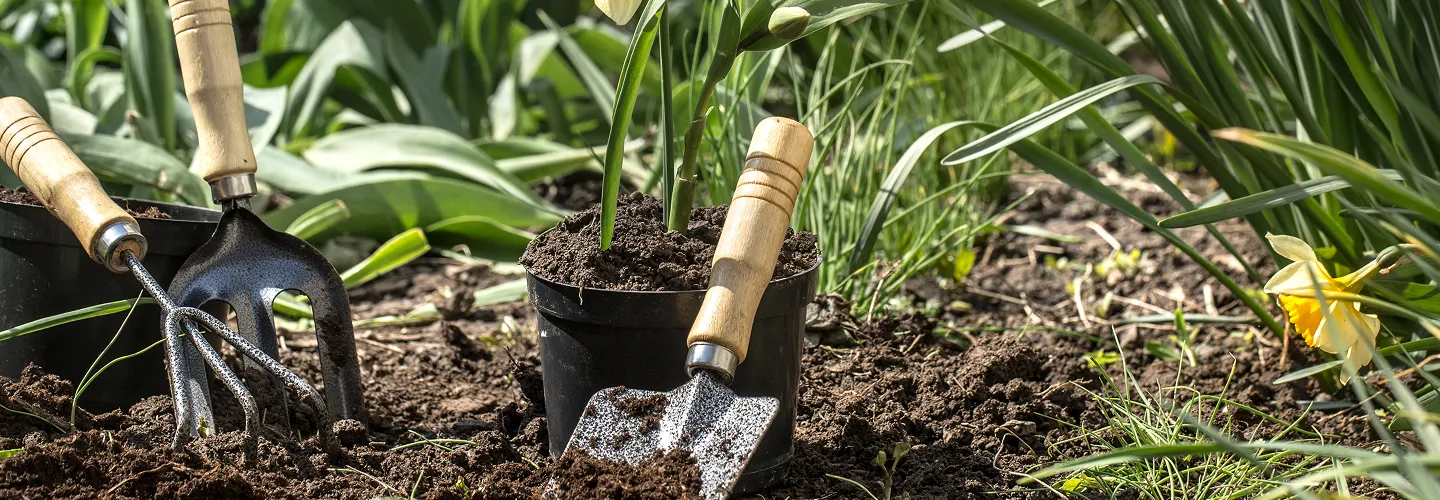
Pawtucket Hedging Services
Choose our expert hedging services for precision, reliability, and beautiful results that enhance your property's privacy, curb appeal, and value.
Get a Free QuoteOur Pawtucket Landscaping & Yard Care Services
When to Schedule Hedging in Pawtucket, Rhode Island – Seasonal Guide
In Pawtucket, Rhode Island, the best times to schedule hedging are typically late spring and early fall. These periods offer moderate temperatures and consistent rainfall, which help shrubs and hedges recover quickly after trimming. Pawtucket’s climate, influenced by its proximity to the Blackstone River and Narragansett Bay, means that late frosts can linger into May, so it’s wise to wait until after the last frost date before starting any major hedging projects. Neighborhoods like Oak Hill and Darlington, with their mature tree canopies and varied lot sizes, often require tailored approaches to hedge maintenance.
Local environmental factors such as high summer humidity, occasional drought conditions, and the region’s loamy soils all play a role in determining the ideal hedging schedule. Areas near Slater Park or along Newport Avenue may experience more shade coverage, affecting how quickly hedges grow and recover. It’s also important to stay informed about municipal guidelines and seasonal advisories, which can be found on resources like the Sudbury town website, to ensure your hedging practices are both effective and compliant.
Local Factors to Consider for Hedging in Pawtucket
- Tree density and shade coverage in your neighborhood
- Terrain and soil type (loamy, sandy, or clay-rich)
- Average precipitation and risk of summer drought
- Frost dates and seasonal temperature swings
- Municipal restrictions or neighborhood association guidelines
Benefits of Hedging in Pawtucket
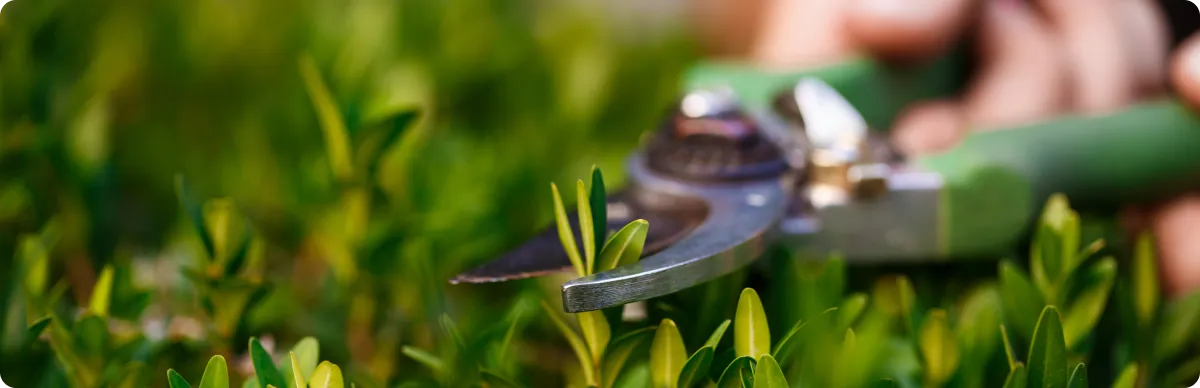
Enhanced Property Privacy
Improved Curb Appeal
Natural Noise Reduction
Increased Property Value
Low Maintenance Solutions
Year-Round Greenery
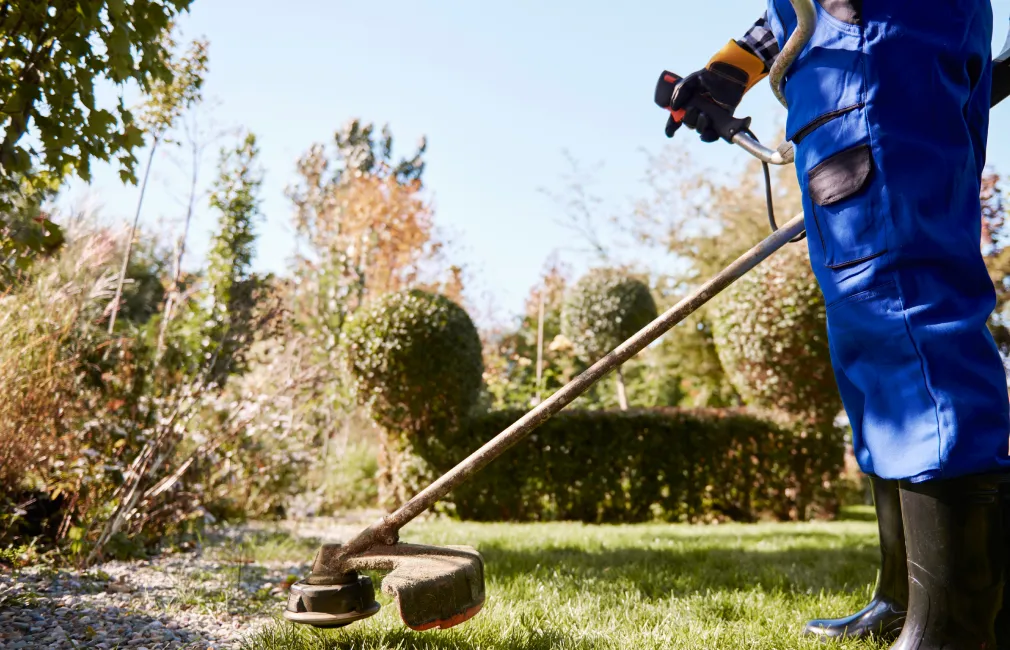
Pawtucket Hedging Types

Boxwood Hedges
-
Privet Hedges
-
Yew Hedges
-
Arborvitae Hedges
-
Holly Hedges
-
Laurel Hedges
-
Juniper Hedges
Our Hedging Process
Consultation and Planning
Site Preparation
Precision Trimming
Cleanup and Inspection
Why Choose Pawtucket Landscape Services
-
Pawtucket Homeowners Trust Us
-
Expert Lawn Maintenance
-
Reliable Seasonal Cleanup
-
Competitive Pricing
-
Professional Team
-
Satisfaction Guarantee
-
Personalized Service
Pawtucket’s Municipal Hedging Regulations and Permit Requirements
Hedging activities in Pawtucket are governed by specific municipal ordinances to ensure public safety, property line clarity, and neighborhood aesthetics. All hedge installations or removals near public rights-of-way require a permit from the city’s zoning department, with a standard application fee of $50 and a review period of 7-10 business days. Hedges must be maintained below 6 feet in front yards and at least 2 feet from sidewalks to comply with city code. Equipment operation for hedging is permitted during the following hours:
- Monday-Friday: 7:00 AM - 7:00 PM
- Saturday: 8:00 AM - 6:00 PM
- Sunday and holidays: Prohibited Permit applications and code enforcement are managed by the zoning office.
Pawtucket RI Zoning Department
137 Roosevelt Avenue, Pawtucket, RI 02860
Phone: (401) 728-0500
Official Website: Pawtucket RI Zoning Department
Soil and Site Considerations for Hedging in Pawtucket’s Urban Landscape
Pawtucket’s predominant soils, including Newport and Ridgebury series, are characterized by glacial till, moderate acidity (pH 5.5-6.5), and poor drainage in low-lying areas. Before hedge installation, it is recommended to conduct a soil test through the University of Rhode Island Cooperative Extension (typical cost: $15-25) to determine amendment needs. For optimal root establishment, incorporate 2-3 inches of compost to a 6-inch depth and apply lime if pH is below 6.0. In compacted urban soils, deep tilling and the use of raised beds may be necessary. Research local soil series and drainage patterns using the USDA Web Soil Survey. Spacing for hedges should be 18-24 inches apart for dense coverage, and plant selection must account for seasonal water table fluctuations, especially in areas with poor drainage.
Environmental Compliance: Wetland Buffers and Stormwater Protection in Pawtucket
Hedging near Pawtucket’s wetlands, such as those adjacent to the Blackstone River, requires strict adherence to buffer regulations. A 25-foot no-disturbance zone is enforced from the edge of all designated wetlands, and no fertilizer or pesticide application is permitted within 50 feet of water bodies. All hedge debris must be collected and disposed of according to the city’s MS4 stormwater permit, which prohibits yard waste in storm drains under the Clean Water Act. For state-level compliance, refer to the Rhode Island Environmental Rights Act and the Rhode Island Department of Environmental Management for MS4 requirements. Conservation oversight is provided by the city’s environmental boards.
Pawtucket RI Conservation & Environmental Boards
137 Roosevelt Avenue, Pawtucket, RI 02860
Phone: (401) 728-0500
Official Website: Pawtucket RI Conservation & Environmental Boards
Selecting Hedge Species for Pawtucket’s Climate and Urban Conditions
Pawtucket is located in USDA Hardiness Zone 6b-7a, with winter lows of -5°F to 5°F and humid summers. Recommended hedge species for these conditions include:
- Inkberry holly (Ilex glabra): Tolerates wet soils and urban pollution
- American arborvitae (Thuja occidentalis): Suitable for privacy screens, plant 24 inches apart
- Winterberry (Ilex verticillata): Native, supports local wildlife
- Boxwood (Buxus sempervirens): For formal hedges, prefers pH 6.0-7.0
- Red chokeberry (Aronia arbutifolia): Tolerates poor drainage, provides seasonal color For areas with salt exposure from winter road treatments, select salt-tolerant species such as bayberry (Myrica pensylvanica). Always verify spacing and mature height to comply with city code. For further guidance, consult the University of Rhode Island Cooperative Extension for plant selection and pest management resources.
What Neighborhoods Do We Serve Throughout Pawtucket, RI?
- Oak Hill: Features mature landscapes and historic properties, with compacted soils and narrow setbacks requiring careful hedge placement and species selection.
- Darlington: Characterized by moderate lot sizes and proximity to the Ten Mile River, necessitating attention to wetland buffer compliance and drainage management.
- Fairlawn: Urban density and limited green space present challenges for hedge installation, with frequent need for raised beds and soil amendment.
- Woodlawn: Contains older housing stock and variable soil conditions, including areas of poor drainage and high water table.
- Pine Crest: Newer developments with larger lots, but subject to HOA guidelines and city code enforcement for hedge height and setback.
- Quality Hill: Historic district with strict zoning and preservation requirements, requiring permit review for any hedge work near property lines or public rights-of-way.
- Pleasant View: Features sloped lots and proximity to city parks, with increased need for erosion control and native species selection.