
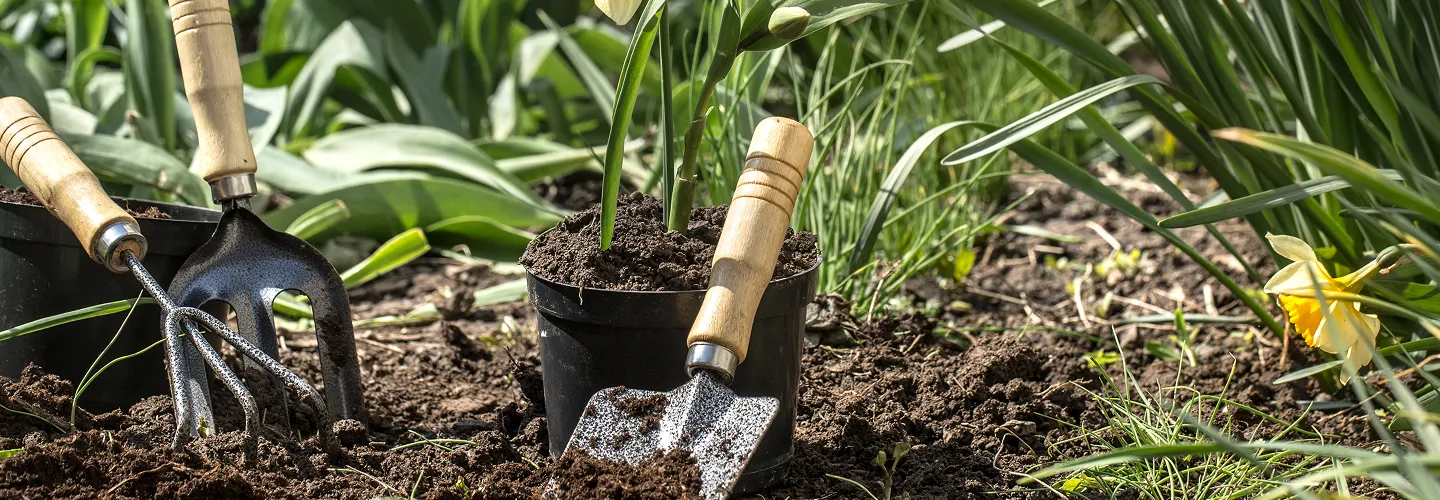
Pawtucket Mulching Services
Choose our mulching services for expert installation, premium materials, and long-lasting curb appeal—protecting your plants while giving your yard a fresh, polished look.
Get a Free QuoteOur Pawtucket Landscaping & Yard Care Services
When to Schedule Mulching in Pawtucket, Rhode Island – Seasonal Guide
In Pawtucket, Rhode Island, the best times to schedule mulching are typically in early spring and late fall. Spring mulching, ideally performed after the last frost—usually in late April or early May—helps insulate plant roots, retain soil moisture, and suppress weeds as the growing season begins. Fall mulching, on the other hand, provides a protective layer against winter temperature fluctuations and helps maintain soil health through the colder months.
Local neighborhoods like Oak Hill and Darlington often experience varying microclimates due to differences in shade coverage and proximity to the Blackstone River. Factors such as Pawtucket’s humid summers, occasional drought risk, and the prevalence of clay-heavy soils in certain areas all play a role in determining the optimal mulching schedule. For more information on local climate patterns, you can consult the Sudbury municipal resource.
Local Factors to Consider for Mulching in Pawtucket
- Tree density and shade coverage (e.g., mature maples in Fairlawn)
- Soil type and drainage, especially in low-lying areas
- Average precipitation and risk of summer drought
- Frost dates and seasonal temperature swings
- Municipal restrictions or neighborhood association guidelines
- Slope and terrain, which can affect mulch retention
Benefits of Mulching in Pawtucket

Enhanced Soil Moisture Retention
Weed Growth Suppression
Improved Curb Appeal
Temperature Regulation for Plant Roots
Reduced Soil Erosion
Nutrient-Rich Soil Enrichment
Pawtucket Mulching Types

Organic Mulch
-
Inorganic Mulch
-
Bark Mulch
-
Wood Chip Mulch
-
Rubber Mulch
-
Compost Mulch
-
Pine Needle Mulch
Our Mulching Process
Site Evaluation
Soil Preparation
Mulch Selection
Mulch Application
Final Inspection
Why Choose Pawtucket Landscape Services
-
Pawtucket Homeowners Trust Us
-
Expert Lawn Maintenance
-
Reliable Seasonal Cleanup
-
Competitive Pricing
-
Professional Team
-
Satisfaction Guarantee
-
Personalized Service
Mulching and Soil Health in Pawtucket’s Glacial Till and Udult Soils
Mulching practices in Pawtucket must account for the city’s predominant glacial till and Udult soils, which are moderately acidic (pH 5.5-6.5) and often poorly drained, especially in low-lying areas. These conditions require careful mulch selection and application to prevent excess moisture retention and root rot. Organic mulches, such as shredded bark or leaf compost, should be applied in a 2-3 inch layer, ensuring a 2-inch gap around tree trunks to prevent disease. Soil testing is recommended every 2-3 years, with services available through the USDA Web Soil Survey and University of Rhode Island Cooperative Extension. For pH below 6.0, lime application may be necessary prior to mulching. Mulch should not be placed directly against structures or within 25 feet of wetlands, in accordance with local buffer regulations.
Pawtucket RI Department of Public Works
137 Roosevelt Avenue, Pawtucket, RI 02860
Phone: (401) 728-0500
Official Website: Pawtucket RI Department of Public Works
Municipal Mulch Disposal and Collection Procedures in Pawtucket
Proper disposal of yard waste and mulch debris in Pawtucket is regulated by the Department of Public Works. Weekly curbside collection occurs every Thursday from April through November. Residents must use biodegradable paper bags or reusable bins (32-gallon maximum) for leaves, grass, and brush under 4 feet in length. Plastic bags and branches over 4 inches in diameter are prohibited. Mulch and yard waste should not be placed in storm drains or on city streets, as this violates the city’s MS4 permit under the Clean Water Act. For large quantities, the city transfer station accepts organic debris during posted hours. Violations may result in fines per city ordinance.
- Weekly pickup: Thursday, April–November
- Accepted: Leaves, grass, brush <4 ft
- Containers: Biodegradable bags or 32-gallon bins
- Prohibited: Plastic bags, branches >4 in diameter
Pawtucket RI Department of Public Works
137 Roosevelt Avenue, Pawtucket, RI 02860
Phone: (401) 728-0500
Official Website: Pawtucket RI Department of Public Works
Environmental Compliance: Wetland Buffers and Stormwater in Pawtucket
Mulching near Pawtucket’s wetlands, such as those adjacent to the Blackstone River, requires strict adherence to buffer regulations. A 25-foot no-disturbance zone is enforced from the edge of all designated wetlands, and no mulch or yard waste may be deposited within this area. The city’s MS4 stormwater permit, administered under the Rhode Island Environmental Rights Act, prohibits the discharge of organic debris into storm drains or water bodies. Mulching activities must also comply with EPA Phase II requirements, overseen by EPA Region 1. For properties within conservation areas, additional review by the city’s Conservation & Environmental Boards may be required.
- Maintain 25-foot buffer from wetlands
- No mulch in storm drains or waterways
- Conservation area review may be required
Pawtucket RI Conservation & Environmental Boards
137 Roosevelt Avenue, Pawtucket, RI 02860
Phone: (401) 728-0500
Official Website: Pawtucket RI Conservation & Environmental Boards
Rhode Island Department of Environmental Management
235 Promenade Street, Providence, RI 02908
Phone: (401) 222-4700
Official Website: Rhode Island Department of Environmental Management
Equipment Operation Hours and Safety Standards for Mulching in Pawtucket
Mulching equipment operation in Pawtucket is subject to city noise ordinances. Permitted hours are:
- Monday–Friday: 7:00 AM – 7:00 PM
- Saturday: 8:00 AM – 6:00 PM
- Sunday and holidays: Prohibited All commercial operators must use equipment with functioning mufflers and maintain noise levels below 85 decibels at property lines. Personal protective equipment (PPE) is required, including ANSI Z87.1 safety glasses, hearing protection for noise above 85 dB, and steel-toed boots. When working within 15 feet of public roads or sidewalks, high-visibility vests are mandatory. Mulch storage piles must not exceed 4 feet in height or obstruct public rights-of-way. The city’s Code Enforcement Division monitors compliance and may issue citations for violations.
Pawtucket RI Code Enforcement
137 Roosevelt Avenue, Pawtucket, RI 02860
Phone: (401) 728-0500
Official Website: Pawtucket RI Code Enforcement
Optimal Mulching Timing for Pawtucket’s USDA Hardiness Zone 6b
Pawtucket is located in USDA Hardiness Zone 6b, with average annual minimum temperatures of -5°F to 0°F. The ideal window for mulching is mid-April through late May, when soil temperatures reach 50–60°F and before the onset of summer heat. Fall mulching is best performed from September 15 to October 31, after leaf drop but before the first frost (typically late October). Avoid mulching during June–August, as excessive heat and humidity can promote fungal growth. Monitor local weather conditions using the National Weather Service Boston/Norton Office. For best results, replenish mulch every 1–2 years, maintaining a consistent 2–3 inch layer.
- Spring mulching: April 15 – May 31
- Fall mulching: September 15 – October 31
- Avoid: June–August (heat stress period)
What Neighborhoods Do We Serve Throughout Pawtucket, RI?
- Oak Hill: Characterized by mature tree canopies and older homes, Oak Hill often faces heavy leaf accumulation and compacted soils, making regular mulching and organic matter incorporation essential for soil health.
- Darlington: With a mix of residential and commercial properties, Darlington’s moderate lot sizes and proximity to the Ten Mile River require careful buffer management and compliance with wetland setback regulations.
- Fairlawn: This area features denser development and limited green space, where mulching must address soil compaction and drainage challenges, especially near paved surfaces and alleyways.
- Woodlawn: Known for its historic homes and established landscapes, Woodlawn presents unique challenges for mulch application around mature root systems and within city preservation guidelines.
- Pine Crest: Located near Slater Park, Pine Crest properties often border conservation areas, necessitating strict adherence to 25-foot wetland buffers and city environmental review for mulching projects.
- Quality Hill: With larger lots and sloped terrain, Quality Hill requires erosion control measures and strategic mulch placement to prevent runoff into adjacent streets and storm drains.
- Downtown Pawtucket: Urban infill and limited soil volume in Downtown demand specialized mulching techniques to support tree health and comply with city right-of-way regulations.